



It’s the fuel to perform, for health and recovery. If we eat/drink too much energy (kcal) than the body needs our bodyweight increases. The funny thing is that you don’t see it on the scales every day, so it’s important to have a good structure of meals, snacks during the day. Maybe you think, ‘I have a good structure’ but for sure that can be improved with a lot of things.
There are three different important nutrients in our nutrition; Carbohydrate, protein and fat. Carbohydrate and fat is our main fuel for the body when the training is harder the amount of carbohydrates is larger. Proteins are important for recovery and building up the muscle. In general every 3 hours you need between 15-20g of proteins.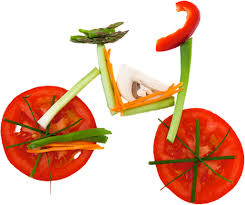
The total amount of proteins and fat during hard, easy rides is in general the same. The amount of carbohydrates fluctuates. So the minimum the body needs is 3gram a kg body mass and when training or racing is really hard, maybe 12gram a kg body mass.
Carbohydrates: bread, muesli, porridge, potatoes, pasta, rice, and vegetables.
Proteins: meat, cheese, fish, poultry, nuts, beans and diary products (milk, quark, cottage cheese, yoghurt)
Fat: meat, cheese, fish, poultry, and nuts.
Your body needs less carbohydrates. When you take ‘normally’ 6 slices of bread, take then 3. When you eat porridge or muesli, take around half of the normal.
Breakfast:
- Some slices of bread
- Butter
- Lean meat or cheese
- Fruit
- Glass of (soya) milk
Ore
- Muesli ore porridge
- (Soya) yoghurt ore milk
- Some nuts
- Fruit
Training:
A bottle with carbohydrates (born) or water
Snack
Fruit with dairy products
Lunch
Idem breakfast, less carbohydrate. When there is a hot lunch, take maximum 100g a meat, fish or poultry. Take half of the normal portion of potato, pasta or rice and some vegetables.
Snack
Fruit with dairy products
Dinner
Idem lunch, less carbohydrate. Take maximum 100g meat, fish or poultry. Take a half of the normal portion of potato’s, pasta or rice and some vegetables (total >300g)
Snack
Fruit with diary products
Your body needs more carbohydrates:
Breakfast:
- Some slices of bread
- Butter
- Lean meat or cheese
- Fruit
- Glass of (soya) milk
Ore
- Muesli ore porridge
- (Soya) yoghurt ore milk
- Some nuts
- Fruit
Training:
A bottle with carbohydrates 60-90grams an hour.
Lunch:
When directly after training you can choose a recovery drink or no proteins during the lunch, so no meat, fish or poultry. When the lunch is hot, take maximum 100g of meat, fish or poultry. Vegetables here are less important!
Snack
Fruit with dairy products.
Diner
Take maximum 100g meat, fish or poultry. Take a half of the normal portion of potato’s, pasta or rice and some vegetables (total >300g).
Snack
Fruit with dairy products.
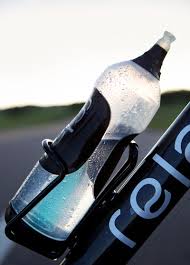 First step is to hydrate before, during and after training. When you wake up and walk to the toilet your urine is yellow, this means you’re already dehydrated! So the first step is start with drinking, beside the breakfast. From different studies we see 75% of athletes are dehydrated before they even start training.
The body exists around 75-80% of water, so when you lose 1–2% of bodyweight your training performance is reduced. You can simply test it. Measure your bodyweight before and after training. The difference is in general the loss of fluid. So the goal is to keep the numbers in balance. When you see, for example 1kg difference this means that you have to drink 2 bottles more. More keep the body hydrated again you have to drink 150% more than the lost bodyweight, that’s 1.5 l of water, but important to spread it during the rest of the day. You can also see it in the colour of the urine, the lighter the colour the better.
Eating habits during the training;
Simply, guidelines are 60-90g of carbohydrate an hour, depending of the duration of the training. Don’t forget to count also the carbohydrates in the drinks!
Recovery:
After training the body has an ‘open window’, this means that the body can adapt the carbohydrates and proteins really quick. So the body can start with recovery. Within 30min is the most important time frame. This can be with a recovery drink, recovery meal, etc. When you have a recovery drink the body has already enough proteins for that moment. So lunch is a really important tool for recovery! When you skip this meal, you miss so much energy that the body cannot recover from during training. The glycogen stores can in an ideal situation only recover 5-7% an hour. So when they are empty it takes 20 hours!
